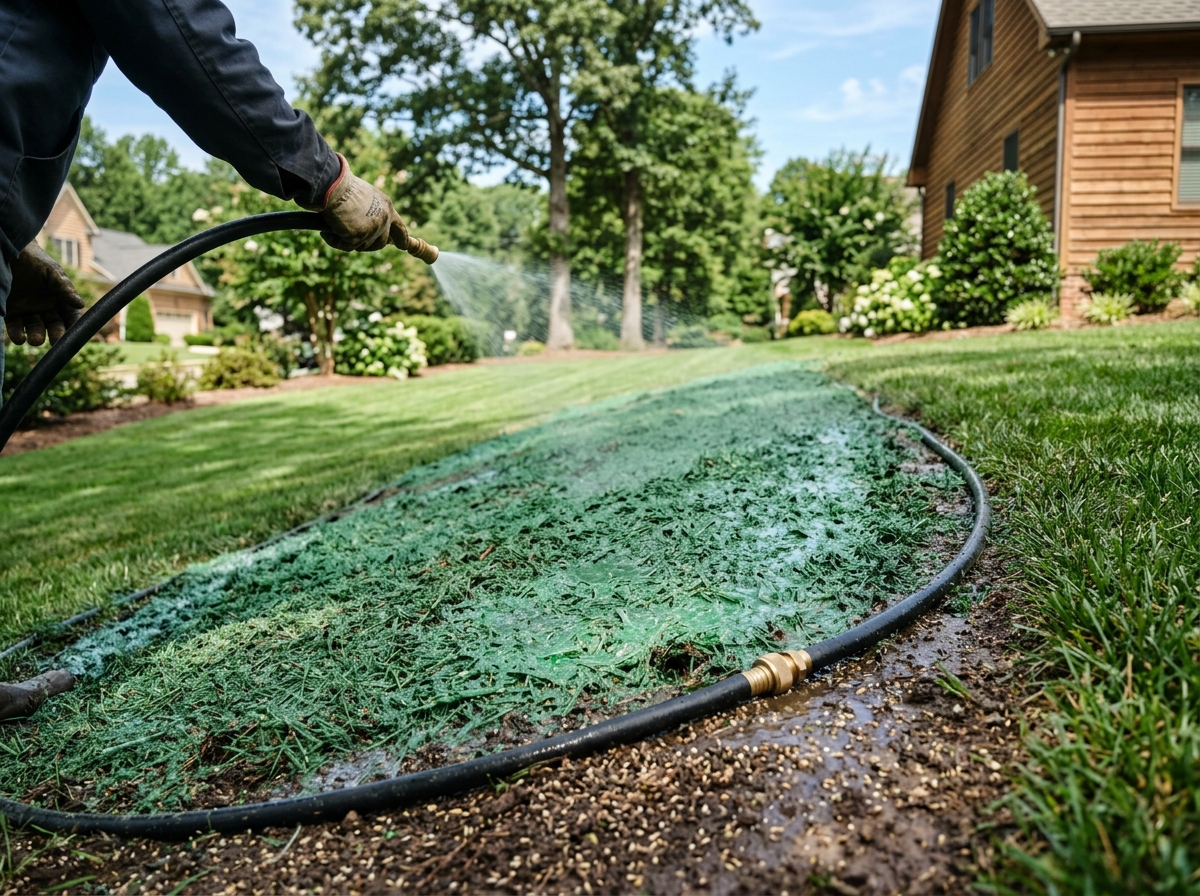
How Do I Care For A Newly Hydroseeded Lawn
A newly hydroseeded lawn is an investment in your property's curb appeal and long-term health. But the work doesn't end when the Hydroseeding equipment leaves your property. The first 60 days after Hydroseeding are critical, and how you care for your lawn during this establishment period will largely determine your success. Whether you've just had your Woodleaf property treated with Hydroseeding or you're planning to do so, understanding the proper care routine is essential. This guide covers everything you need to know to nurture your new lawn from germination through full establishment.
Understanding What Hydroseeding Does for Your Lawn
Before diving into care instructions, it's helpful to understand what happens during the Hydroseeding process. Hydroseeding applies a slurry containing seed, mulch, tackifier, and fertilizer directly to your soil in one efficient application. Unlike traditional seeding, Hydroseeding creates ideal contact between seed and soil, which is why it's such an effective method for establishing new lawns across North Carolina's variable climate. However, this head start only works if you follow proper aftercare.
The Critical First Two Weeks: Watering Your Newly Hydroseeded Lawn
The most important factor in establishing your newly hydroseeded lawn is consistent moisture. During the first 14 days, your primary job is keeping the soil consistently moist, not wet.
Why consistency matters more than volume: Grass seed needs constant access to moisture to germinate. If the top half-inch of soil dries out, germination stops. If it stays waterlogged, you risk fungal issues and seed rot. Think of it like Goldilocks, not too wet and not too dry.
Watering frequency in Woodleaf's climate: In most cases, you'll need to water lightly multiple times per day during the first two weeks. Early morning watering is ideal, but afternoon and early evening sessions are equally important. If temperatures are above 75 degrees Fahrenheit, you may need to water three to four times daily. During cooler periods, twice daily may suffice. The key is checking your soil frequently. Stick your finger into the soil, and if the top quarter-inch feels dry, it's time to water.
Watering equipment considerations: Use a fine mist setting on your sprinkler system or hose-end sprayer. Heavy, concentrated water pressure can wash away the mulch layer and expose seed, undoing the benefits of the Hydroseeding application. Gentle, even coverage is what you're after.
Rain and your watering schedule: If Woodleaf receives natural rainfall during your establishment period, that counts toward your moisture needs. However, don't skip your scheduled watering just because of light rain. A quarter-inch of rain may not penetrate deeply enough. Continue your watering routine and adjust only if you receive more than half an inch in a single day.
Weeks Two Through Four: Adjusting Your Watering Schedule
After the first two weeks, you can reduce watering frequency, but consistency remains critical. Move to once or twice daily watering, depending on temperature and rainfall. The soil should feel moist, but not soggy.
By week three, you'll likely see germination occurring. Don't be alarmed if germination appears uneven, especially across slopes or areas that dry out faster. This is normal and typically evens out as the grass establishes.
Continue monitoring soil moisture by hand. This is more reliable than following a rigid schedule, since weather conditions vary. If your lawn is on a slope, the upper portions may dry out faster than lower areas, requiring adjusted watering patterns.
Weeks Four Through Eight: Transitioning to Established Care
By week four, most grass seed will have germinated and begun establishing roots. You can further reduce watering frequency to every other day or even three times per week, depending on rainfall and temperature.
However, this is not the time to stop paying attention. Young grass is still delicate. Newly germinated grass seedlings are more vulnerable to stress than established turf. Continue using gentle watering methods and maintain consistent soil moisture.
What to watch for: If you notice bare patches that didn't germinate, don't panic. These sometimes fill in as surrounding grass spreads, or they may require overseeding later in the season. Avoid the urge to re-hydrospray problem areas, as this can create uneven growth.
Mowing Your Newly Hydroseeded Lawn
One of the most common questions homeowners ask is, "When can I mow?" The answer depends on grass height and root establishment.
Initial mowing guidelines: Don't mow until your grass reaches about 3.5 to 4 inches in height, which typically occurs around 4 to 6 weeks after Hydroseeding. Before mowing, gently tug on a few grass blades. If they pull up easily, the roots aren't established enough yet. Wait another week and try again.
First mow technique: Use a sharp mower blade set to a height of 2.5 to 3 inches. Never remove more than one-third of the blade in a single mowing. This "one-third rule" reduces stress on young grass and promotes healthier growth.
Mowing frequency: Once you begin mowing, plan to mow every 7 to 10 days during active growth season. Frequent, light mowing is better than infrequent heavy cutting.
Fertilizing Your Newly Hydroseeded Lawn
Most Hydroseeding applications include starter fertilizer in the slurry. This provides initial nutrients for germination and early growth. You typically don't need additional fertilizer during the first 4 to 6 weeks.
After six weeks, if growth appears slow or grass color looks pale, a light application of balanced fertilizer (like 10-10-10) can help. However, avoid heavy nitrogen applications during the first season, as this can promote weak, disease-prone growth.
In Woodleaf's climate, fall fertilization is often more beneficial than spring applications. Plan your feeding schedule accordingly.
Foot Traffic and Activity on New Grass
Newly hydroseeded lawns are vulnerable to compaction and damage from foot traffic. During the first 4 to 6 weeks, minimize walking on your new lawn. Keep children and pets off the area if possible.
After 6 weeks, as roots establish, normal activity becomes acceptable. However, avoid concentrated traffic patterns in the same areas, as this can create bare spots and compaction issues.
Common Problems and Solutions
Fungal growth: If you notice white or gray fuzzy growth, you likely have a fungal issue from overwatering. Reduce watering frequency and improve air circulation by mowing (if grass is tall enough). Most fungal issues resolve themselves as the grass matures.
Erosion on slopes: Slopes are prone to water runoff and erosion. Water more frequently but with less volume, and consider erosion control measures like temporary stakes or coir logs if you have significant slopes.
Thin or patchy growth: Uneven germination is normal. Many thin areas fill in naturally. If they don't, you can overseed those areas later in the season or the following year.
Weeds: Some weeds may appear during establishment. Avoid herbicide applications during the first 6 weeks. Once grass is established, selective herbicides can target broadleaf weeds without harming your lawn.
Seasonal Considerations for Woodleaf, NC
The timing of your Hydroseeding affects care requirements. Spring Hydroseeding (March to May) requires careful attention to variable temperatures and potential late frosts. Summer Hydroseeding (June to August) demands more frequent watering due to heat. Fall Hydroseeding (September to November) benefits from natural rainfall and cooler temperatures, often requiring less intensive care.
Understanding your specific season helps you adjust your maintenance routine appropriately.
Caring for a newly hydroseeded lawn requires patience, attention, and consistency, but it's far from complicated. The fundamental principles are simple: maintain consistent soil moisture for the first 4 to 6 weeks, avoid heavy foot traffic during establishment, mow only when grass is sufficiently rooted and tall enough, and be alert for problems like fungal growth or erosion. If you've recently had hydroseeding services-services) applied to your Woodleaf property or are considering it, remember that the quality of your aftercare directly impacts your results. By following these guidelines, you'll establish a thick, healthy lawn that serves your property for years to come. If you have questions about your specific lawn or need professional guidance, don't hesitate to reach out to local experts who can assess your situation and provide tailored recommendations.