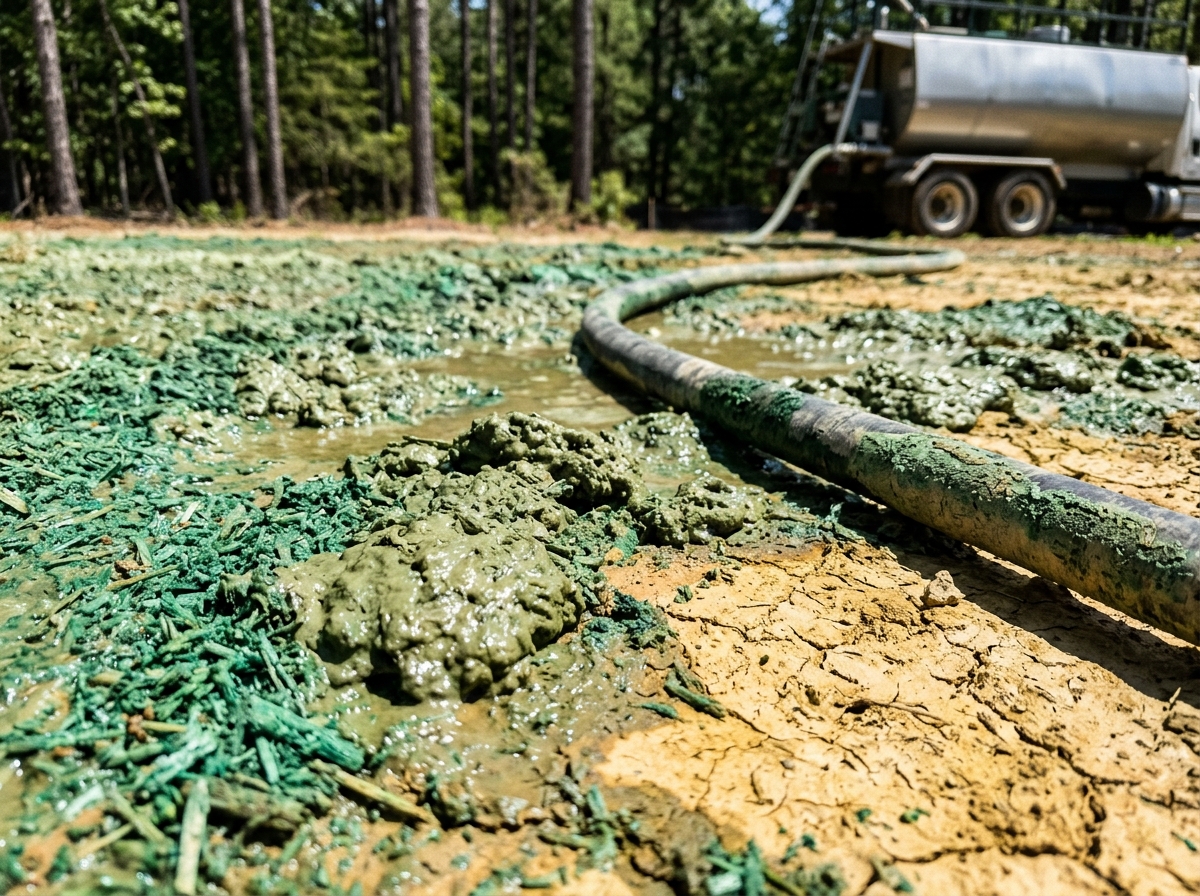
Common Hydroseeding Mistakes in Woodleaf, NC: What to Avoid
Hydroseeding is one of the most effective ways to establish a healthy lawn quickly, especially across the clay and erosion-prone soils common in Woodleaf and surrounding areas. But we've seen plenty of projects go sideways, and most of the time it's preventable. Whether you're considering a DIY approach or hiring a contractor, understanding where people typically stumble can save you thousands of dollars and months of frustration. This guide covers the real mistakes we encounter most often.
Mistake 1: Underestimating Site Preparation in Woodleaf Soil Conditions
The biggest error we see is skipping or rushing the prep work. Woodleaf sits in an area with heavy clay soil, compacted earth from construction, or existing dead grass that hasn't been properly removed. Some property owners assume Hydroseeding will work on top of whatever's already there.
It won't. Hydroseed needs direct contact with soil. If you're laying slurry over compacted clay or matted-down dead grass, the seed never makes proper contact with the earth, and germination fails. We've had customers call back frustrated after a DIY attempt, only to discover the soil wasn't graded, wasn't loosened, and wasn't free of debris.
Proper prep means removing old sod or dead vegetation, tilling the top two to three inches of soil, removing rocks and debris, and grading to ensure water doesn't pool. This step often takes longer than the actual Hydroseeding application. It's not glamorous, but it's non-negotiable.
Mistake 2: Hiring Contractors Without Hydroseeding Experience
Not all landscapers or contractors understand Hydroseeding. Some will quote you a price, show up with equipment, and apply a slurry without understanding soil chemistry, seed selection for North Carolina's climate, or proper application rates.
In Woodleaf specifically, you need someone familiar with the region's growing season, typical soil pH, and which seed blends work best for our spring and fall windows. A contractor from the flatlands or mountains might use the wrong seed mix for our transitional zone conditions. They might also apply the material too thin or too thick, which directly impacts germination rates.
Before hiring, ask about their experience with Piedmont region projects, request references from recent jobs in Woodleaf or nearby areas, and verify they understand local soil conditions. A cheap quote from an inexperienced contractor often costs more in the long run.
Mistake 3: Ignoring Post-Application Watering Requirements
This is where most DIY projects fail. Hydroseeding slurry contains seed, mulch, tackifier, and fertilizer, but it needs consistent moisture to work. The first two to three weeks are critical. The seed needs to stay moist (not soggy, but moist) for germination to occur.
Many property owners assume the initial application is enough. They don't water, or they water sporadically. In Woodleaf's climate, if you hydroseed in spring and then get a dry stretch, your investment dies. The mulch in the slurry helps retain some moisture, but it's not a substitute for proper watering.
Plan on hand-watering or running irrigation for at least 20 to 30 minutes daily for the first three weeks, depending on rainfall and temperature. If you're not prepared to commit to this, you're not ready for Hydroseeding. It's one of the most common reasons for poor germination.
Mistake 4: Seeding During the Wrong Season or in Poor Weather
Timing matters tremendously. Hydroseeding in Woodleaf should happen in spring (March to May) or fall (August to October). These windows give seed the best chance to germinate and establish before extreme heat or cold stress.
We've had customers who want to hydroseed in July or August because they want it done "now." Seed applied in peak summer heat, combined with the watering demands and stress, rarely succeeds. Similarly, applying hydroseed in November or December in Woodleaf means seed will sit dormant through winter and may not germinate properly come spring.
Also, don't hydroseed right before a heavy rain forecast or during a drought warning. Heavy rain can wash away fresh slurry, and drought conditions mean you'll struggle to keep the area moist. Check the forecast and plan accordingly.
Mistake 5: Choosing the Wrong Seed Blend for Your Lawn's Conditions
Not all grass seed is created equal. Some blends are designed for shade, others for full sun. Some are made for high-traffic areas, others for ornamental appearance. Woodleaf properties vary widely, and a one-size-fits-all seed mix often underperforms.
If you hydroseed a shaded area under oak trees with a sun-loving tall fescue blend, you'll have thin, struggling grass. If you use a delicate ornamental blend in a high-traffic area, it'll get beat down. The best contractors match the seed blend to your specific site conditions: sunlight exposure, soil type, intended use, and maintenance level you're willing to commit to.
This is another reason hiring an experienced local contractor matters. They'll recommend the right blend rather than just using what's cheapest or what they have in stock.
Mistake 6: Neglecting Maintenance After Establishment
Once grass starts growing (usually within 7 to 14 days), some people think the hard part is over. It's not. Young grass is tender and needs protection for at least the first 60 days after germination.
Common mistakes include mowing too early or too short, heavy foot traffic or equipment on the new lawn, and stopping fertilizer applications too soon. New grass needs time to develop a strong root system before it can handle normal wear and tear.
A good rule: don't mow until grass reaches three to four inches tall, and never cut more than one-third of the blade height in a single mowing. Keep foot traffic light, and follow a fertilizer schedule recommended by your contractor. Most Woodleaf properties benefit from a follow-up fertilizer application four to six weeks after Hydroseeding.
Mistake 7: Not Addressing Erosion-Prone Areas Properly
Woodleaf has slopes and drainage areas where erosion is a real concern. Some property owners hydroseed these areas without considering water flow or soil stability. The slurry washes away, or the seed never has a chance to establish.
Erosion-prone areas need extra attention. This might mean installing erosion control blankets before or after Hydroseeding, adjusting application rates to account for slope, or improving drainage before seeding. A qualified contractor will assess these issues and build solutions into the plan.
Hydroseeding is a proven method for establishing healthy lawn quickly in Woodleaf, but it requires proper planning, experienced execution, and committed aftercare. The most common mistakes, from poor site prep to inconsistent watering to wrong contractor selection, are all preventable. If you're planning a Hydroseeding project, invest time upfront in understanding the process, choosing a contractor with local experience, and committing to the maintenance phase. The result is a lush, established lawn that lasts for years. If you're ready to move forward with a professional approach, Hydroseed N.C.) can help you avoid these pitfalls and get results.